
Roof repair in Parksville
Oceanside weather is mild for people and rough on roofs. Rain sits on mossy shingles, and wind comes off the Strait of Georgia. Use the contact form and we match you with a local roofer. The match is free. We do not do the work.
We are a free matching service, not a roofing company. A local roofer does the work and quotes you directly.
 Storm season ready
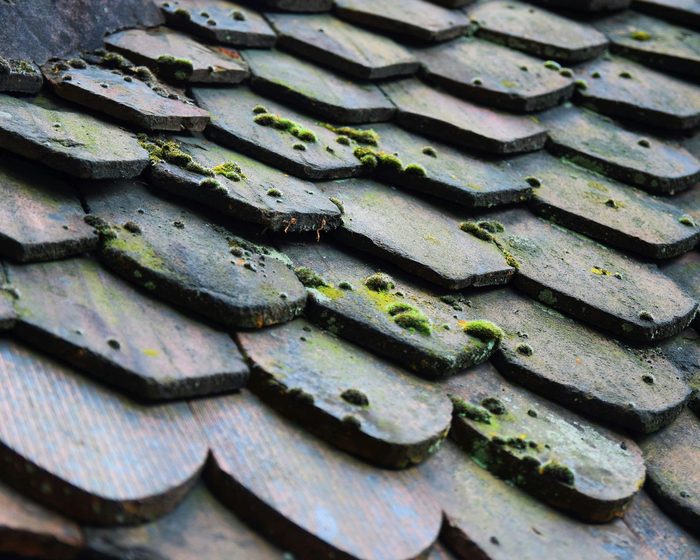
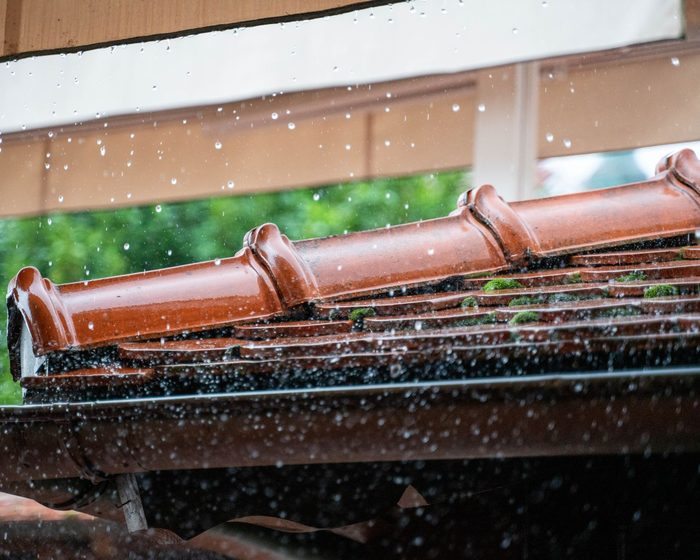
Parksville roofs live in the wet
Mild, damp winters and wind off the Strait are easy on people and hard on roofing.
Rain, rain, rain
Long wet seasons find every weak seam. Small gaps become stains on the ceiling.
Moss and algae
Moss holds moisture against shingles and lifts edges. It spreads fast in the shade.
Wind and salt air
Gusts lift tabs and loosen flashing. Salt air is hard on metal and fasteners.
What to check, season by season
Clear gutters
Leaves and needles block drainage before the rains start.
After big storms
Look for lifted shingles, loose flashing and fallen branches.
Moss and stains
Check shaded slopes and the ceilings below them.
Book repairs
Dry weather is the best time for larger repairs.
Tell us the problem. We find the roofer.
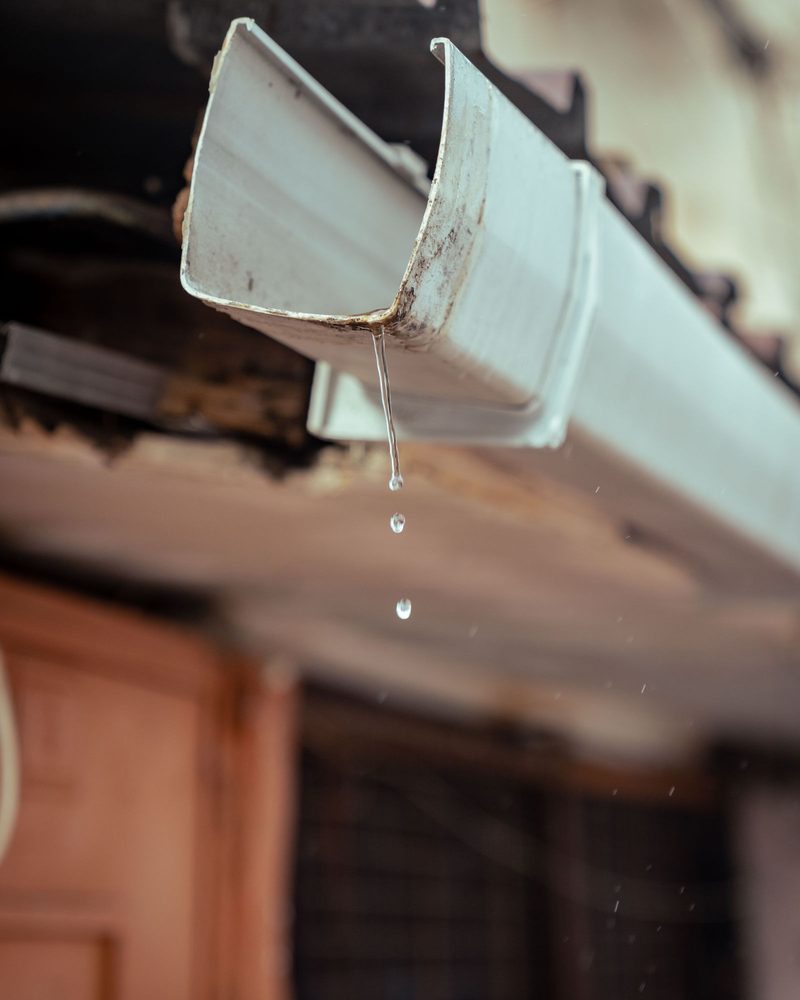
Roof leak repair
Stains, drips and damp ceilings traced to the source.
Moss removal and treatment
Clean off moss and treat shaded roof areas.
Wind and storm damage
Lifted, cracked or missing shingles and ridge caps.
Flashing repair
Chimneys, vents and valleys sealed properly.
Gutters and drainage
Keep water moving off the roof and away from the house.
Emergency tarping
Cover the roof now and repair when the weather allows.
When the storm rolls in off the water, use the contact form.
Free matching with local roofers.
Contact usKnow what you are looking at
Email [email protected] with your address, what is going on with the roof, and a photo if you have one.
Four easy steps
Send the form
Describe the problem. A photo helps.
We match you
We pick a local roofer who does that repair.
They contact you
The roofer books a time and quotes you directly.
You decide
Say yes or no. Matching costs you nothing.
5 questions to ask any roofer
- Who will be on the roof, and what paperwork do they carry?
- Do you carry WorkSafeBC coverage?
- Will you find the cause, not just patch it?
- What does the written quote include?
- What warranty covers the repair?
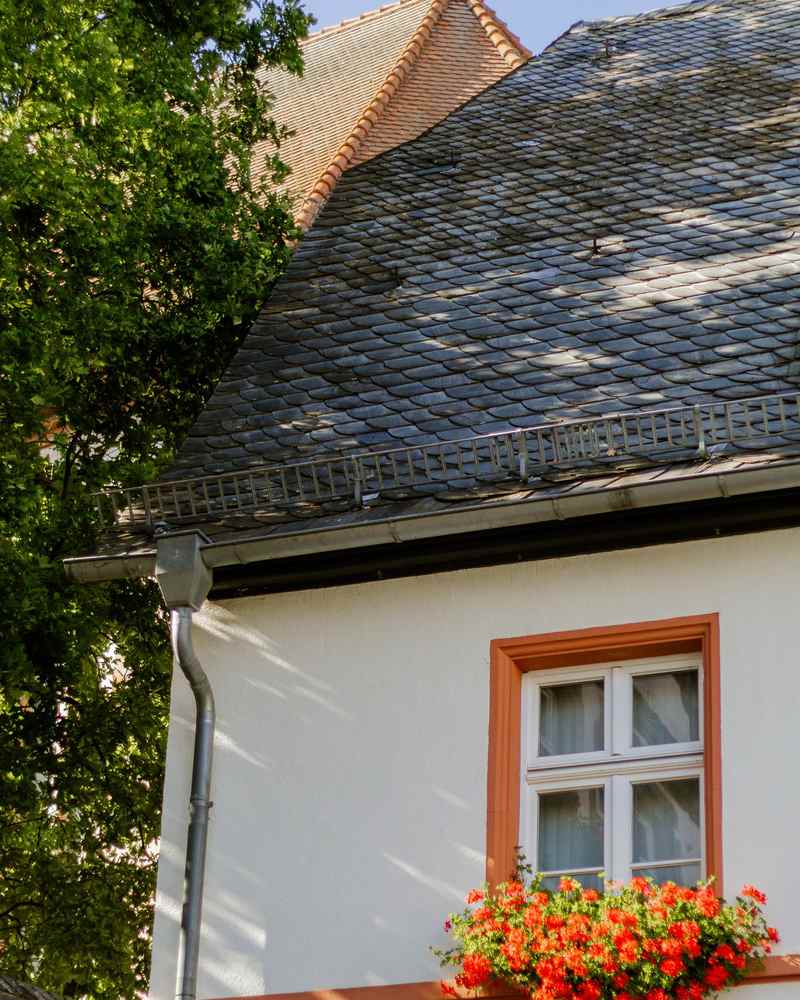
Across Oceanside
This site matches you with a roofer. It does not fix the roof.
A leak on the Oceanside stretch is a local problem, and the person who should look at it is a roofer who already works Parksville, Qualicum Beach and the Regional District of Nanaimo communities around them. This site does not send a crew. It does not climb a ladder. You describe the leak, a ceiling stain, moss that has lifted a row of shingles, or wind damage after a blow off the Strait, and we match you with an independent roofer who does that kind of work. The roofer gets in touch, looks at the roof, and quotes you directly. You can say no. The match costs you nothing.
That distinction matters. A page that pretends to be the contractor is a different kind of site. This one is a referral. If a neighbour later asks who fixed the roof, the name they should hear is the roofer’s, not this domain.
How to reach us
Use the contact form. A short note and a photo of the stain, the drip, or the lifted shingles is enough to start a match. Do not wait for a tidy set of pictures. A phone snapshot of the ceiling and, if it is safe from the ground, the slope outside is plenty. We start matching as soon as we see it, including evenings and weekends.
Why Parksville roofs spend so much of the year wet
Parksville sits on the east side of Vancouver Island, looking at the Strait of Georgia. Winters here are mild next to the Interior, and that can fool people. The roof is wet for a long stretch of the year. Moss and algae get a foothold on shaded north and east slopes, especially under fir and cedar. Moss holds water against the shingles, lifts the edges, and gives the next rain a path under the tabs.
Wind comes off the water. After a real blow, look at ridge caps, the first row of tabs on the windward side, and the flashing around chimneys and plumbing vents. Salt in the air is hard on exposed fasteners and older metal flashing. Inland a short drive, Coombs and Errington feel more rural and a little more sheltered, but the wet season is still the wet season.
The 2021 Census put the Parksville census agglomeration at 31,054 people. The City of Parksville itself was 13,642 and the Town of Qualicum Beach was 9,303. The rest live in unincorporated communities the Regional District of Nanaimo lists by name: French Creek, San Pareil, Nanoose Bay, Coombs, Errington, Dashwood, Qualicum Bay, Bowser and others in electoral areas E, F, G and H. This site is built for that Oceanside cluster. Nanaimo is a separate market and is not treated as part of this service area.
A longer walk through rain, wind, salt and moss is on the Oceanside roof climate page. Cedar and shakes, which still show up on older mid-Island houses, have their own notes at cedar shakes on the mid-Island.
Three permit desks, not one
A re-roof or a structural repair may need a permit. The desk depends on the lot, not on which town you say you are ’near.’
- Inside the City of Parksville, you deal with the City’s building department and Building Bylaw No. 1387.
- Inside the Town of Qualicum Beach, you deal with the Town. The City of Parksville does not permit Qualicum Beach properties.
- In French Creek, San Pareil, Nanoose Bay, Coombs, Errington, Dashwood, Qualicum Bay, Bowser and the rest of the RDN electoral areas around them, you deal with the Regional District of Nanaimo.
A roofer who works this stretch already knows to ask which desk covers the address. You can ask too, before anyone starts tearing off shingles. A simple re-roof can change, and it is not the same in all three offices. Check with the office that matches the lot, or ask the roofer to confirm it in the written quote.
What changes the cost of a repair, without a fake price
A photo of a stain on a ceiling helps the roofer prepare. The roofer who walks the roof will look at things like these:
- How much of the roof is involved, and whether the leak is one flashing or a tired slope.
- Pitch and access. A steep, two-storey house on a narrow Oceanside lot is a different setup than a rambler with a clear driveway.
- Material. Asphalt shingles, cedar shakes and metal all fail in different ways here, and they are not repaired the same way.
- What is under the surface. Soft decking, old layers left in place, or a ventilation problem will change the job.
- Moss, needles and gutter backups that have been soaking the eaves for years.
- Time of year. A dry window is easier for a larger repair. A leak in a November atmospheric river is first about stopping water, then about the lasting fix.
- Disposal, room for a bin, and how tight the site is to neighbours and power lines.
Ask for a written quote that spells those items out. Matching is free. The roofer’s invoice is the only thing you pay, and only if you agree to the work.
If water is coming in today
Move people and valuables out of the room if the ceiling is stained, dripping or starting to bulge. Catch the water with a bucket. If a bulge is heavy with water, a small hole at the low point can drain it into the bucket and take pressure off the drywall. Take photos of the ceiling, the floor, and anything you can see on the roof from the ground. Stay off the roof. Wet mossy shingles on a mid-Island house are a poor place to walk.
Then send the form. Say whether it is a new drip, an old stain that got worse, or something you noticed after a wind event. If you already lifted a lid or put a tarp up, say that too. The roofer needs the cause, not just a towel under a drip.
Oceanside communities this site already covers
Parksville itself does not publish a long official neighbourhood directory the way some Interior cities do. The useful map here is the two municipalities plus the named RDN communities around them. Each of these has its own page, written for that place, not copied from a template with the town name swapped.
Qualicum Beach is its own town, with its own building desk. Lots there are not Parksville lots. The village core, the beach side and the streets back toward the highway each sit a little differently in the wind and the trees.
French Creek sits between the two municipalities, with marina and waterfront weather and a mix of houses that see a lot of driven rain. San Pareil is a low-lying, close-to-the-water community where drainage and wind matter as much as the shingles themselves.
Nanoose Bay runs along the water toward Nanaimo but stays in this service area, not in a Nanaimo one. Exposure changes from one bay and hillside to the next. Qualicum Bay and Bowser sit farther up the highway, still in the RDN, still in the same wet coastal pattern, with more rural spacing and a longer drive for a crew if a storm has trees down.
Inland, Coombs and Errington are a short drive from the beach towns and feel more like the Island’s rural middle: trees, shade, moss, and quieter roads. Dashwood and Little Qualicum sit in that same inland-and-up-the-shore mix. If you are not sure which name covers the lot, say the road and the nearest village on the form. The service area page lists the whole cluster.
What to have ready, and what to ask the roofer
A useful note on the form includes the community (Parksville, Qualicum Beach, or an RDN name), the kind of roof if you know it, and whether water is active right now. Photos of the stain, the exterior slope, the eaves and the gutters help more than a long story.
When the roofer calls, the questions that usually matter are simple. Who will be on the roof, and what paperwork do they carry? Do they have WorkSafeBC coverage? Will they find the cause, or only patch the drip? What does the written quote include: labour, material, disposal, permit if one is needed, and any temporary dry-in? What warranty covers the work, and is it the roofer’s or the product’s? You are not obliged to hire the first person we match.
What Oceanside roofs are usually made of, and how they fail
Most houses along this shore wear asphalt shingles. In a climate that stays damp, the failure is often slow. Granules wash into the gutters. Tabs curl or grow brittle in the sun on south and west slopes, while the shaded side grows moss. A small lift at a ridge or a rusty nail at a vent flashing can stain a ceiling in a guest room you barely use. People notice in November, but the gap may have been there since spring.
Cedar shakes and shingles still sit on a fair number of mid-Island houses, including older cottages and some custom homes back from the beach. Cedar looks right in the trees, and it also holds moss, splits at the butts, and wears thin on the weather face. A repair can be a few replacement shakes, or it can be a conversation about whether the roof is at the end of its life. That is a judgment for a roofer standing on it, not a sentence from a website. The cedar and shakes page goes further on material choice.
Metal shows up more than it used to: barns and shops, some new houses, and reroofs where owners want something the moss cannot hold as easily. Metal is not maintenance-free here. Fasteners, rubber washers, ridge caps and the flashings at walls and chimneys are the usual trouble spots, and salt air does not help older screws. A metal roof can also hide a leak that travels a long way from the hole you would expect.
Flat or very low-slope sections appear on additions, sundecks that were built over living space, and some strata buildings. Those fail at seams, drains and edges, the same way they do in wetter cities. If a deck over a room has a soft spot, treat it as a roof leak, not a carpentry nuisance.
A slow walk around the house after a storm
You do not need to climb anything. From the ground, after the wind has dropped, look at the ridge line. A saw-tooth or a missing cap is worth a photo. Look at the first rows of shingles on the side that took the wind, usually the side facing the Strait or a long gap in the trees. Check the yard and the gutters for tabs, granules or small pieces of flashing. Look at chimney saddles and the metal around plumbing vents. Inside, check the usual suspects: the ceiling under the bathroom vent, the closet under a valley, and the wall under a chimney.
Needles and leaves do as much quiet damage as wind. Oceanside lots often have fir, cedar or arbutus close to the eaves. Gutters packed with needles overflow behind the fascia and soak the soffit. If you hear water pouring behind the gutter in a heavy rain, that is a drainage problem as much as a roofing one. There is a separate page on gutters and drainage in Parksville.
Who usually writes in, and what we need from you
A lot of Oceanside homeowners are retired or close to it, living in houses they have had for years, or in places they bought to be near the water and the kids in Nanaimo or Vancouver. The leak is often the first time they have had to deal with the roof since they moved in. You do not need the right trade words. ’Water in the back bedroom after last night’s rain’ is a complete message.
Property managers and family members who look after a parent’s house write in too. Say who we should have the roofer call, and whether someone will be on site. If the home is a strata cottage or a small multi-unit building, say that, because access and approval can take longer than the repair itself.
What we do with the note is narrow. We read it, we look at the photos, and we match you with a local roofer who does that work in this area. We do not diagnose the leak from here, and we do not pick a material for you. The roofer’s visit is the inspection.
What a visit from the roofer usually looks like
The roofer will want to see the roof, not only the stain. On an Oceanside house that often means a look at the shaded slope, the valleys, the chimney or vent flashings, and the gutters full of needles. They may also want a look in the attic if there is a hatch, because a leak can travel along a rafter before it drips. You do not need to clear the garage or write a report. Access to the yard and a sense of where water showed up is enough.
They should tell you what they think is going on, what they would do first, and what they would not do yet. A temporary dry-in in a November rain is a different job from a mid-summer reroof. Ask them to put the work, the materials, the disposal, and any permit question in writing. If something is unknown until they open a section, they should say that too, rather than guess.
You can get a second quote. This site will not be offended.
What this site will not do
A photograph helps the roofer prepare. They settle the leak after seeing the roof. We will not tell you that moss is harmless, or that a cedar roof is due, or that metal will end your problems. We will not pretend to be a contractor with a yard in Parksville. We will not treat Nanaimo as if it were around the corner on this service area. And we will not invent a phone number on this page. The contact form is the door, and a local roofer is the one who does the work.
A last local note
Atmospheric rivers hit this side of the Island harder than a tourist brochure suggests. If a day of rain becomes two days of overflow at the eaves, look at the gutters and the ground around downpipes as well as the ceiling. A lot of ’roof leaks’ start as drainage. Send the photos anyway. Sorting that out is part of the visit, not something you have to get right on the form.
What you can check without us
The details below are public. You can confirm each one before anyone sets foot on the roof.
- Get a free WorkSafeBC clearance letter for the roofer's business before the job starts. WorkSafeBC says a homeowner can be held liable for premiums a contractor did not pay.
- B.C. does not license roofers as a compulsory trade. WorkBC says certification is not mandatory, so ask for insurance and a written quote.
- The City of Parksville publishes Building Bylaw No. 1387 on its building page. Qualicum Beach permits its own addresses, and rural Oceanside communities go to the Regional District of Nanaimo.
- No reviews or star ratings appear on this site, because none have been collected.
Questions homeowners ask
Are you a roofing company?
No. This is a free matching service, not a roofing company. An independent local roofer does the work and quotes you directly.
How do I get a roofer from this site?
Use the contact form. Describe the leak or the damage and attach a photo if you have one. We match you with a local roofer, who then contacts you. There is no public tracking number on this page yet, so the form is the way in.
Does the match cost me anything?
No. You only pay the roofer for work you agree to.
Do I have to hire the roofer you match?
No. Compare the quote and decide.
Which building office covers my lot?
City of Parksville lots go through the City. Qualicum Beach lots go through the Town. French Creek, San Pareil, Nanoose Bay, Coombs, Errington, Dashwood, Qualicum Bay, Bowser and the other RDN communities go through the Regional District of Nanaimo. Ask the office, or ask the roofer to confirm it in the quote.
Can I send photos?
Yes. A phone photo of the stain, the drip, and the exterior slope (from the ground) is enough to start.
What should I do while I wait?
Keep off the roof. Catch the water. Move belongings out of the room if the ceiling is wet or bulging. A small hole at the low point of a bulge can drain water into a bucket.
Do you cover Nanaimo?
No. This site is for Parksville, Qualicum Beach and the Oceanside RDN communities listed on the service area page. Nanaimo is a separate market.
Roof leaking? Let us find you a roofer.
Free matching. A local roofer contacts you directly.